Slope and wall engineering in Rotorua is a critical geotechnical discipline that addresses the unique challenges of constructing safe, durable retaining structures and ensuring the stability of natural and man-made slopes. This category encompasses the full spectrum of assessment, analysis, and design required to manage earth pressures, prevent landslides, and create usable land on the region's often complex terrain. In a landscape shaped by volcanic activity, geothermal features, and lake-edge environments, the importance of specialist input cannot be overstated. From a residential section requiring a simple timber retaining wall to a major infrastructure project needing advanced slope stability analysis, every project demands a thorough understanding of local ground conditions.
Rotorua's geology presents a particularly demanding environment for geotechnical design. The region is underlain predominantly by volcanic soils, including pumiceous sands and silts from the Taupo Volcanic Zone, which are known for their variable strength, potential for collapse upon wetting, and high sensitivity to erosion. The presence of geothermal activity introduces further complexities, such as altered ground with reduced strength, thermal gradients, and chemically aggressive soil and groundwater conditions that can degrade construction materials. These factors combine to make robust retaining wall design essential, requiring solutions that account for both static and seismic earth pressures, as well as the long-term durability of materials in a corrosive environment.
Compliance with New Zealand standards is the bedrock of all work in this category. The primary documents are the New Zealand Building Code, particularly Clause B1 (Structure), and the joint Australian/New Zealand standards for structural design actions (AS/NZS 1170 series) and earth retaining structures (AS 4678). Seismic considerations are paramount, governed by NZS 1170.5, given Rotorua's location in a high-seismicity zone. Additionally, the Rotorua Lakes Council's Geothermal Design Standards and the Bay of Plenty Regional Council's Natural Hazards provisions impose specific requirements for foundations and retaining walls in geothermal areas, often mandating site-specific investigations and peer review to manage the risks associated with unstable ground and hydrothermal alteration.
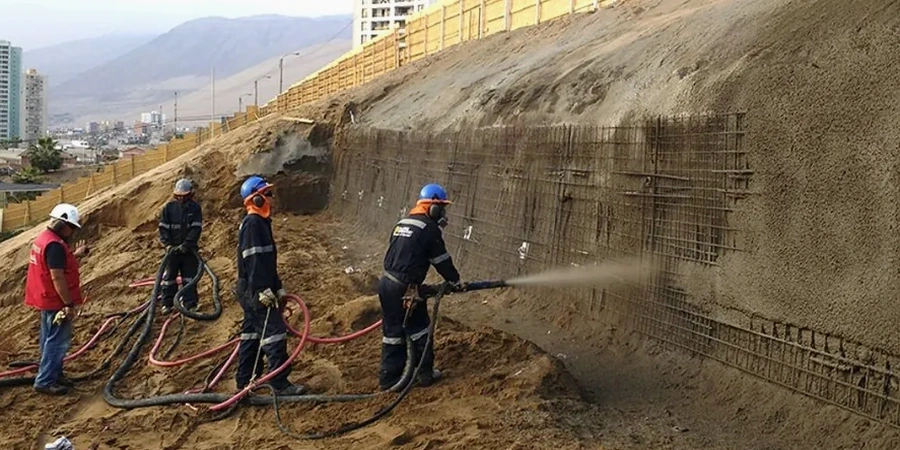
The types of projects requiring these services are diverse. Residential developments on the slopes of Mount Ngongotaha or bordering the lakes often need engineered retaining walls to create building platforms and manage cut-and-fill operations. Commercial and public infrastructure projects, such as roading along the lakefront or the development of geothermal tourism facilities, demand comprehensive slope stability analysis to mitigate the risk of deep-seated failures. Waterfront structures, including boat ramps and jetties, require specialized retaining wall design for sheet pile or anchored walls that can withstand fluctuating lake levels and scour. Even remediation of existing landslides, a common issue on over-steepened pumice slopes, falls under this category, requiring forensic analysis and robust remedial design to restore safety and land use.
Available services
Questions and answers
What makes slope and wall design in Rotorua different from other parts of New Zealand?
Rotorua's unique volcanic geology, with its pumiceous soils and active geothermal fields, creates highly variable and often aggressive ground conditions. Designs must specifically address the risks of soil collapse upon wetting, chemical attack on materials from acidic groundwater, and the need for enhanced seismic resilience due to the region's high seismicity, which are not typical considerations in many other areas.
When is a building consent required for a retaining wall in Rotorua?
Under the New Zealand Building Code and Rotorua Lakes Council rules, a building consent is generally required for any retaining wall over 1.5 metres in height, or where it supports a surcharge like a driveway or building. Walls in geothermal areas often require consent regardless of height due to the additional risk, and a site-specific geotechnical assessment is usually mandated.
What are the signs that a slope on my property might be unstable?
Key indicators of potential slope instability include visible cracks in the ground, leaning trees or fence posts, the formation of small scarps or terraces, and boggy areas or new springs appearing on the slope face. In Rotorua, the collapse of pumice soils after heavy rain can also create sudden subsidence features or tension cracks near the top of a slope, warranting immediate professional assessment.
How does geothermal activity affect the design of slopes and retaining walls?
Geothermal activity can significantly weaken the ground through hydrothermal alteration, turning solid rock into soft clay. It also creates thermal gradients that induce material expansion and contraction, and produces acidic, sulphate-rich groundwater that corrodes steel and degrades concrete. Designs must use resistant materials like stainless steel or specific cement types and often require insulation or ventilation layers to manage heat and chemical attack.