Ground improvement in Rotorua encompasses a range of geotechnical techniques designed to enhance the engineering properties of soil and fill materials, ensuring they can safely support structures, roads, and infrastructure. This category is critical because much of the region is underlain by weak, compressible, or variable ground that cannot reliably bear loads without treatment. From dense urban developments near the lakefront to rural subdivisions on former farmland, the need to mitigate settlement, increase bearing capacity, and address liquefaction potential underpins almost every construction project. In Rotorua, ground improvement is not a luxury but a fundamental requirement driven by the unique geothermal and volcanic landscape, and it covers methods such as vibrocompaction design, dynamic compaction, stone columns, rigid inclusions, and soil mixing, each selected based on site-specific conditions and project demands.
The geology of Rotorua is dominated by the Taupō Volcanic Zone, a highly active geothermal area characterised by thick deposits of volcanic ash, pumice, alluvium, and lacustrine sediments. The Rotorua caldera has left a legacy of soft, unconsolidated materials including loose pumice sands and silts, peat layers, and hydrothermal alteration zones. These soils are often prone to significant settlement under load, and the high water table common across the basin exacerbates issues of low bearing strength and liquefaction susceptibility during seismic events. In some areas, geothermal activity has chemically altered the ground, creating unusually weak or compressible zones that require careful investigation and tailored improvement strategies. Understanding this complex subsurface environment is essential for any ground improvement project, as the variability can be extreme even within a single site.
New Zealand’s regulatory framework for ground improvement is primarily governed by the Building Act 2004 and the New Zealand Building Code, particularly Clause B1 (Structure) and Clause B2 (Durability). The Ministry of Business, Innovation and Employment (MBIE) provides guidance through documents such as the Acceptable Solutions and Verification Methods, which reference standards like NZS 3604:2011 for timber-framed buildings and NZS 1170.5 for seismic design. For ground improvement specifically, practitioners rely on the New Zealand Geotechnical Society guidelines, including the Module on Ground Improvement of Soils, and international standards such as BS EN 1997 (Eurocode 7) adapted for local conditions. Rotorua’s geothermal classification under the Geothermal Resources Act also imposes additional consenting requirements where ground improvement might intersect with subsurface thermal features. All designs must be certified by a chartered professional engineer (CPEng) with geotechnical competence, and site-specific investigations to determine liquefaction risk and settlement potential are mandatory under the Building Code’s performance-based approach.
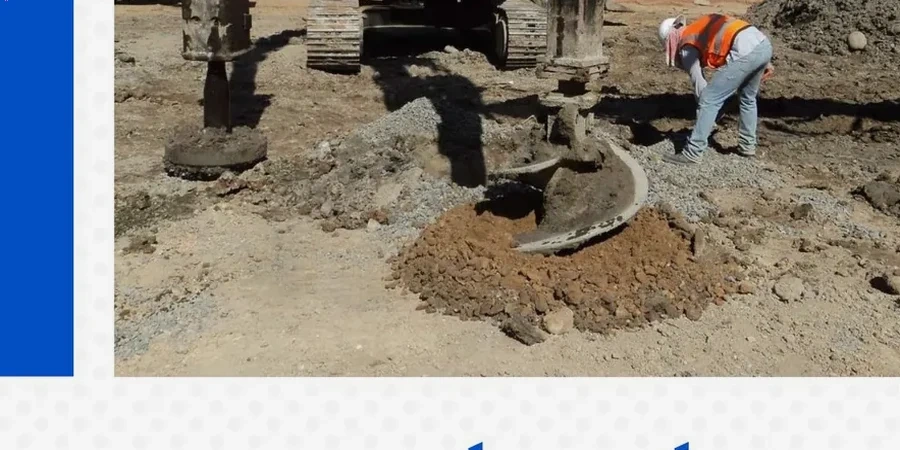
Ground improvement in Rotorua is required across a broad spectrum of project types. Residential subdivisions on the city fringes often encounter soft pumiceous soils or peat that demand preloading, wick drains, or vibrocompaction design to reduce post-construction settlement. Commercial and industrial buildings, such as those in the Waipa and Ngongotahā areas, frequently need deep foundations or ground treatment to manage liquefaction risk and ensure floor slab performance. Infrastructure projects including road embankments, bridge approaches, and wastewater treatment plants also rely heavily on improvement techniques to prevent differential settlement and maintain serviceability. Even smaller works like retaining walls and residential dwellings may require ground improvement where site investigations reveal uncontrolled fill or weak geothermal soils. The tourism sector, so vital to Rotorua’s economy, drives hotel and resort developments that must meet strict seismic resilience standards, making ground improvement a key enabler of safe, durable construction in this dynamic environment.
Available services
Questions and answers
What is ground improvement and why is it necessary in Rotorua?
Ground improvement refers to techniques that modify soil properties to increase bearing capacity, reduce settlement, or mitigate liquefaction. In Rotorua, it is essential due to the widespread presence of weak volcanic soils, pumice sands, peat, and high groundwater within the Taupō Volcanic Zone. These conditions can lead to excessive settlement or failure under load, making treatment necessary for safe, compliant construction.
What are the most common ground improvement methods used in Rotorua?
Common methods include vibrocompaction for densifying loose granular soils, stone columns to reinforce soft clays and silts, dynamic compaction for deep fill treatment, and rigid inclusions or soil mixing where higher load capacity is needed. The choice depends on soil type, depth of treatment required, and project loads, with design guided by New Zealand Geotechnical Society standards and site-specific investigation results.
How does Rotorua’s geothermal activity affect ground improvement design?
Geothermal activity can alter soil chemistry and strength, creating zones of highly compressible or cemented material. Elevated ground temperatures and acidic conditions may degrade certain grouts or reinforcement materials. Designs must account for these factors through detailed site investigation, and projects near thermal features may require additional consenting under the Geothermal Resources Act to ensure ground improvement works do not disrupt subsurface hydrothermal systems.
What regulations govern ground improvement work in New Zealand?
Ground improvement is regulated under the Building Act 2004 and the New Zealand Building Code, particularly Clauses B1 and B2. Compliance typically follows NZ Geotechnical Society guidelines and international standards like Eurocode 7. Designs must be certified by a chartered professional engineer, and local authorities may impose additional requirements in Rotorua due to the geothermal and seismic hazard context.